The New Luxury Home Code: Wellness, Space, and Privacy
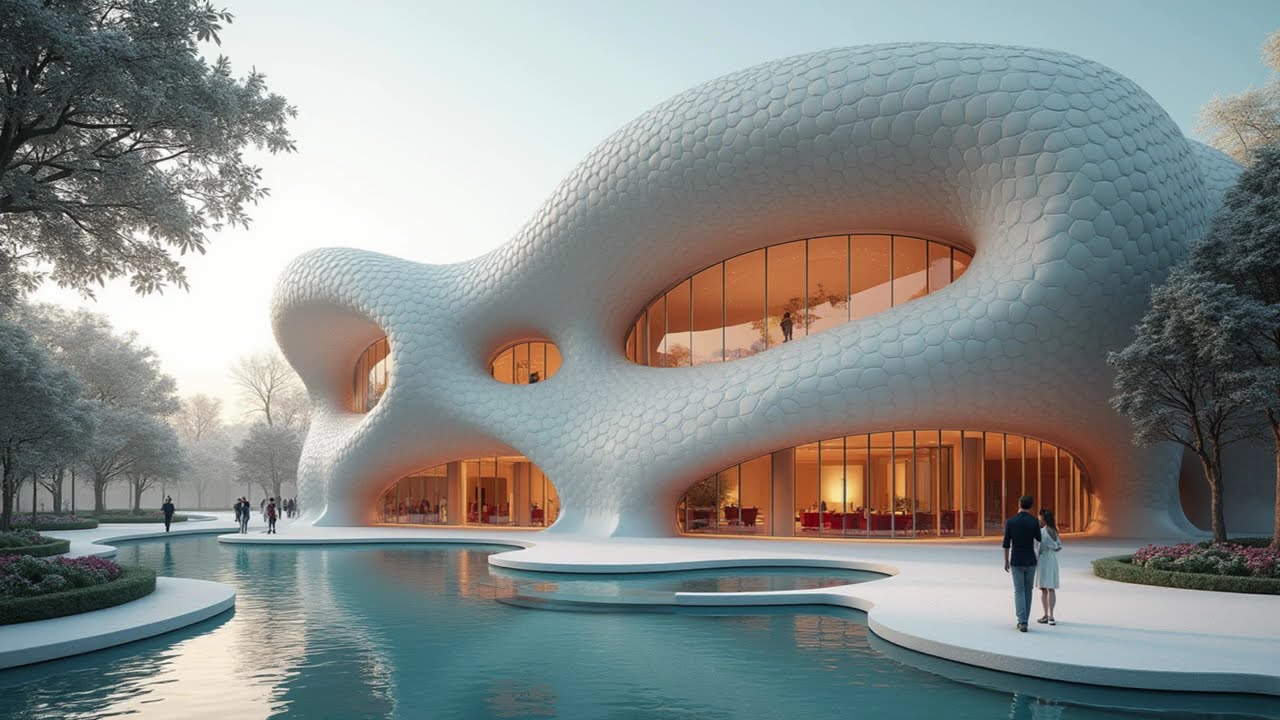
The luxury home market is shifting towards prioritizing **wellness**, **space**, and **privacy**, with **JLL** reporting a 25% YoY increase in demand for homes
Summary
The luxury home market is shifting towards prioritizing **wellness**, **space**, and **privacy**, with **JLL** reporting a 25% YoY increase in demand for homes sized 3000 sq ft and above in **Delhi-NCR**. This trend is driven by the growing importance of **health and wellness** in the luxury lifestyle. The **real estate** market is responding by incorporating **sustainable design**, **smart home technology**, and **private amenities** into luxury homes. As the demand for larger homes continues to rise, developers are focusing on creating **exclusive communities** that offer a unique living experience. For instance, **luxury homebuyers** are now looking for homes with **private pools**, **gyms**, and **spas**, as well as **smart home features** that enhance their overall well-being.
Key Takeaways
- The luxury home market is shifting towards prioritizing wellness, space, and privacy
- Demand for homes sized 3000 sq ft and above rose by 25% YoY in Delhi-NCR
- Developers are responding to the growing demand for sustainable design and smart home technology
- The emphasis on wellness and sustainability may exacerbate the affordability crisis in the real estate market
- Inclusive communities that offer a range of housing options can help address the affordability crisis
Balanced Perspective
The trend towards wellness, space, and privacy in luxury homes is a reflection of the changing needs and preferences of **luxury homebuyers**. While the demand for larger homes is rising, it is essential to consider the **environmental impact** of such developments. As developers respond to the growing demand for **sustainable design** and **smart home technology**, it is crucial to balance the need for luxury with the need for **environmental sustainability**. For example, **luxury home developers** can incorporate **renewable energy sources**, such as **solar panels**, into their projects to reduce the carbon footprint of luxury homes. Additionally, **green roofs** and **rainwater harvesting systems** can help reduce the environmental impact of luxury developments.
Optimistic View
The shift towards wellness, space, and privacy in luxury homes is a positive trend that reflects the growing importance of **health and wellness** in the luxury lifestyle. With the demand for larger homes rising, developers have the opportunity to create **exclusive communities** that offer a unique living experience. As **luxury homebuyers** prioritize **wellness** and **sustainability**, the market is likely to see a surge in innovative and sustainable design solutions. For instance, **smart home technology** can enhance the overall living experience, while **sustainable materials** can reduce the environmental impact of luxury homes. According to **JLL**, the demand for **green buildings** is expected to increase by **20%** in the next year.
Critical View
The emphasis on wellness, space, and privacy in luxury homes may exacerbate the existing **affordability crisis** in the real estate market. As developers focus on creating **exclusive communities** with high-end amenities, the prices of luxury homes may become even more unaffordable for the average buyer. Furthermore, the growing demand for larger homes may lead to **urban sprawl** and **environmental degradation**, undermining the very principles of **sustainable design** and **wellness** that these developments aim to promote. For instance, the construction of **luxury homes** in **ecologically sensitive areas** can lead to the destruction of **natural habitats** and the loss of **biodiversity**.
Source
Originally reported by Moneycontrol.com